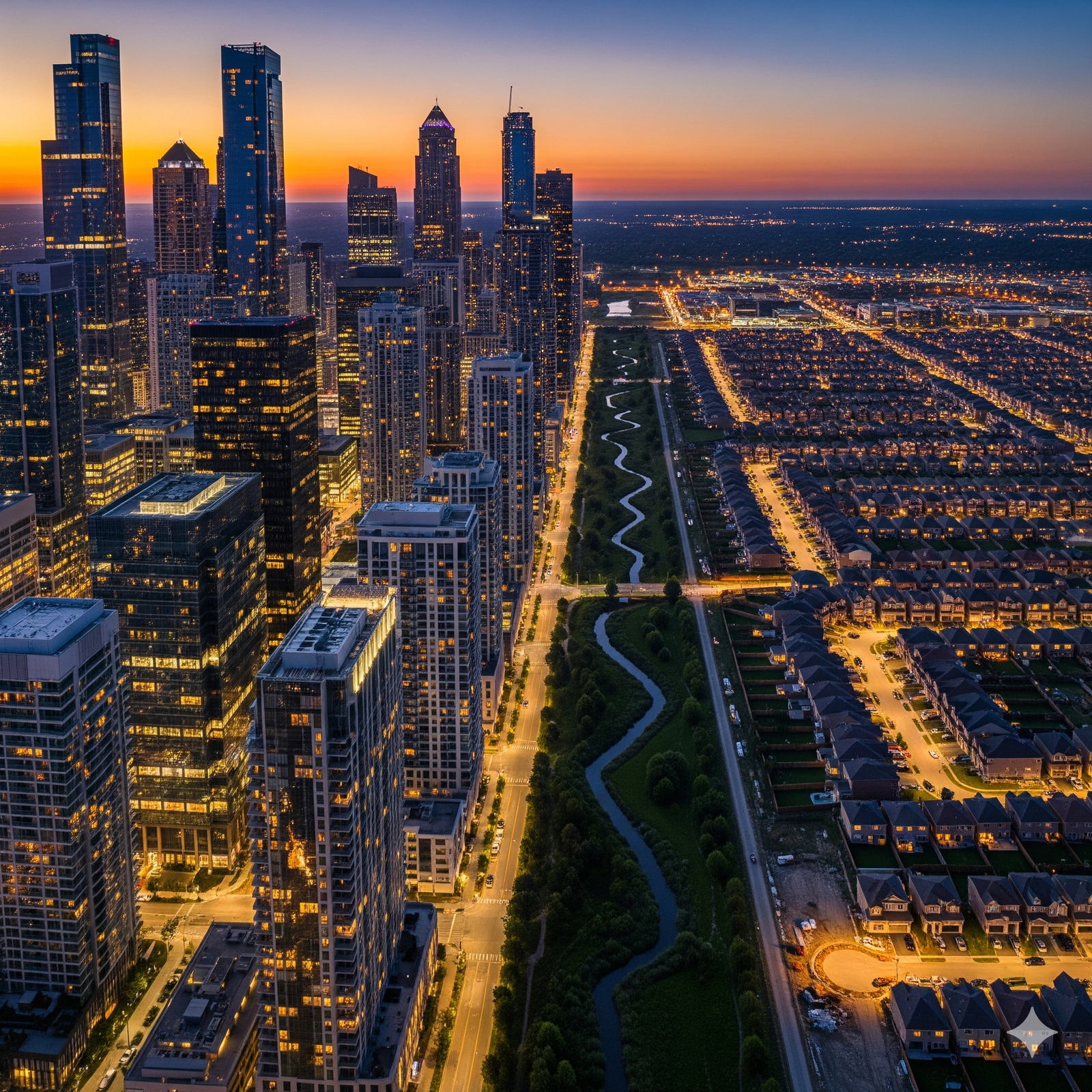
A Guide to Construction Types: From Projects to Materials
The world of construction is vast and varied, encompassing everything from a simple home renovation to the creation of massive public infrastructure.1 Understanding the different types of construction is essential for anyone involved in the industry, from developers and contractors to architects and engineers.2 Construction can be categorized in several ways, but the two most common classifications are by project type and by a building’s fire-resistive properties.
Construction by Project Type
This classification system is based on the purpose and scale of the building or structure being built.3
- Residential Construction: This is the most familiar type of construction and involves building, renovating, or expanding structures for human habitation.4 It ranges from single-family homes and duplexes to multi-story apartment complexes and condominiums.5 The primary focus is on creating comfortable, functional, and aesthetically pleasing living spaces.6
- Commercial Construction: This sector is dedicated to building structures for business and commercial use.7 Examples include office buildings, retail centers, shopping malls, hotels, and restaurants.8 Commercial projects often have greater complexity than residential ones, requiring consideration for public safety, accessibility (e.g., ADA compliance), and energy efficiency.
- Industrial Construction: This type of construction focuses on building facilities for manufacturing, processing, storage, and production.9 Industrial projects are often large-scale and complex, involving specialized machinery and strict safety and environmental regulations.10 Examples include factories, power plants, refineries, and warehouses.11
- Infrastructure Construction (Heavy Civil): Also known as heavy civil construction, this category involves building and maintaining essential public works that support a society and economy.12 These projects are typically large in scale and include roads, bridges, dams, tunnels, airports, and public utility systems like water and sewage lines.13
- Institutional Construction: This involves building structures for public and private institutions.14 This includes schools, universities, hospitals, government buildings, libraries, and religious institutions.15 These projects must meet specific requirements related to functionality, accessibility, and safety for public use.16
- Mixed-Use Construction: This is a modern approach that combines multiple types of construction, such as residential, commercial, and sometimes industrial, into a single project or site.17 The goal is to create vibrant, multi-functional spaces that optimize land use and promote community engagement.18
Construction by Fire-Resistive Properties (International Building Code)
Another way to classify buildings, particularly for safety and building code purposes, is by their fire-resistive properties.19 The International Building Code (IBC) outlines five main types of construction, categorized from most to least fire-resistant.20
- Type I (Fire-Resistive): These buildings offer the highest level of fire resistance.21 They are typically high-rise buildings, hospitals, and large commercial spaces. The primary structural components, including walls, frames, and floors, are made from non-combustible materials like steel and concrete that can withstand fire for several hours.22
- Type II (Non-Combustible):23 Similar to Type I, these buildings are constructed with non-combustible materials but have less stringent fire-resistance requirements. They are often used for newer schools, commercial buildings, and industrial structures. While the main components are non-combustible, they may not have the same level of fire protection or coatings as Type I.
- Type III (Ordinary): Also known as “brick-and-joist” construction, this type is characterized by non-combustible exterior walls (often masonry or brick) and interior structural elements made from combustible materials, such as wood.24 This approach balances cost and fire resistance, making it common for older commercial and residential buildings.
- Type IV (Heavy Timber): This construction type uses large, solid or laminated wood for its structural components.25 The large size of the timber provides a natural fire resistance, as the wood chars on the outside, creating a protective layer that slows the spread of fire.26 It is often seen in older industrial buildings, churches, and modern designs that embrace a rustic aesthetic.
- Type V (Wood-Framed): This is the most common and least fire-resistant type of construction, typically used for single-family homes and small apartment buildings.27 The main structural components—walls, floors, and roofs—are made primarily of wood, making them more susceptible to fire. However, they are also the most cost-effective and easiest to construct.